Monday, 18 February 2019

Wolf in sheep's clothing


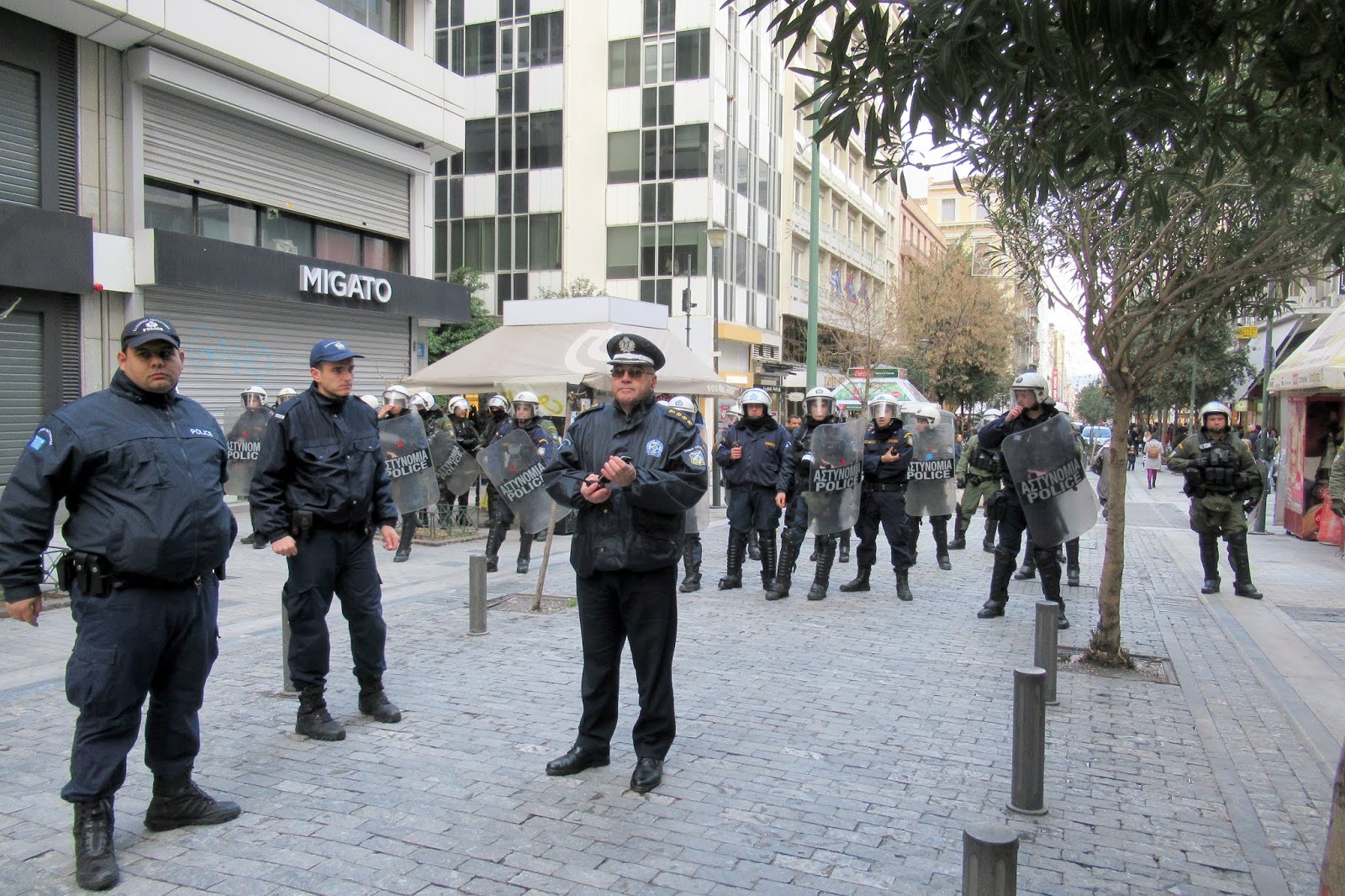
We saw them piling out of the police klouva (cage - as in vehicle in which to cage dissenters) in Vasilissis Sofias Avenue, with their guns, tear gas cannisters, grenades and shields. We wondered where they were going as there did not seem to be anything going on.


Later on we saw them in Voulis Street marching in line.


We decided to follow them


and finally found them in Ermou Street, the busiest shopping street in Athens. We still could not figure out what was going on, why they were milling around in the midst of Saturday shoppers.


And then they took up their positions,


because the Threat had arrived: a small group of people asking for higher wages.


This is the repressive arm of the State, a State led by a government that calls itself  left-wing, a wolf in sheep's clothing.


What is really sad and depressing is that four years ago, SYRIZA would have been at the head of this small demonstration, demanding justice. They did not seek justice for long, as they were voted into power with their lies and deception and now all pretence about equality and justice and fairness has been abandoned and the order of the day is the violent repression of working people who are asking for some crumbs off the big cake that SYRIZA and their cronies are devouring.


Saturday, 16 February 2019

On the way to Skippers


A sunny day with a temperatures around 18oC, in a period characterised by storms, rain, high winds and intense cold, so we had to take advantage. We decided to go to Skipper's, one of our favourite places in the winter months.


On top of the hill, looking down at our beach which is situated at the end of our road. Deserted now, not even a winter swimmer in sight


except for a lone surfer - an unusual sight in our part of the world.


Quite a few winter swimmers, and some sun bathers on the free beach, however.


The promenade is surprisingly fairly empty today


the marina, which is where we're headed,  in the distance.


Part of the promenade is collapsing into the sea.


This was fixed a few years ago


but a slightly different section is slipping down into the sea now and has been doing so for over three years


Our mayor wants to have it fixed with local council funds, but central government is refusing to give the go-ahead. Does this make any sense? Why the refusal? After the other repairs had been carried out, with local funds, I need to emphasize, central government instigated court proceedings against our mayor. Were he to give the go-ahead for the current much-needed repairs, he would immediately be taken to jail, so understandably, he does not feel he can do anything without central government approval. So, this dangerous situation is left to deteriorate. The incompetence, narrow-mindedness and folly of the Greek government and bureaucracy, never cease to amaze me.


This promenade is one of the few places that people can go for a walk by the sea. Sure, there is the marina, but it's not open like this space is.


We have now reached the marina, and it's very pleasant walking around here. I read somewhere that it's the biggest marina in Southern Europe and I can well believe it - it's massive.


On our right, the marina administration offices.


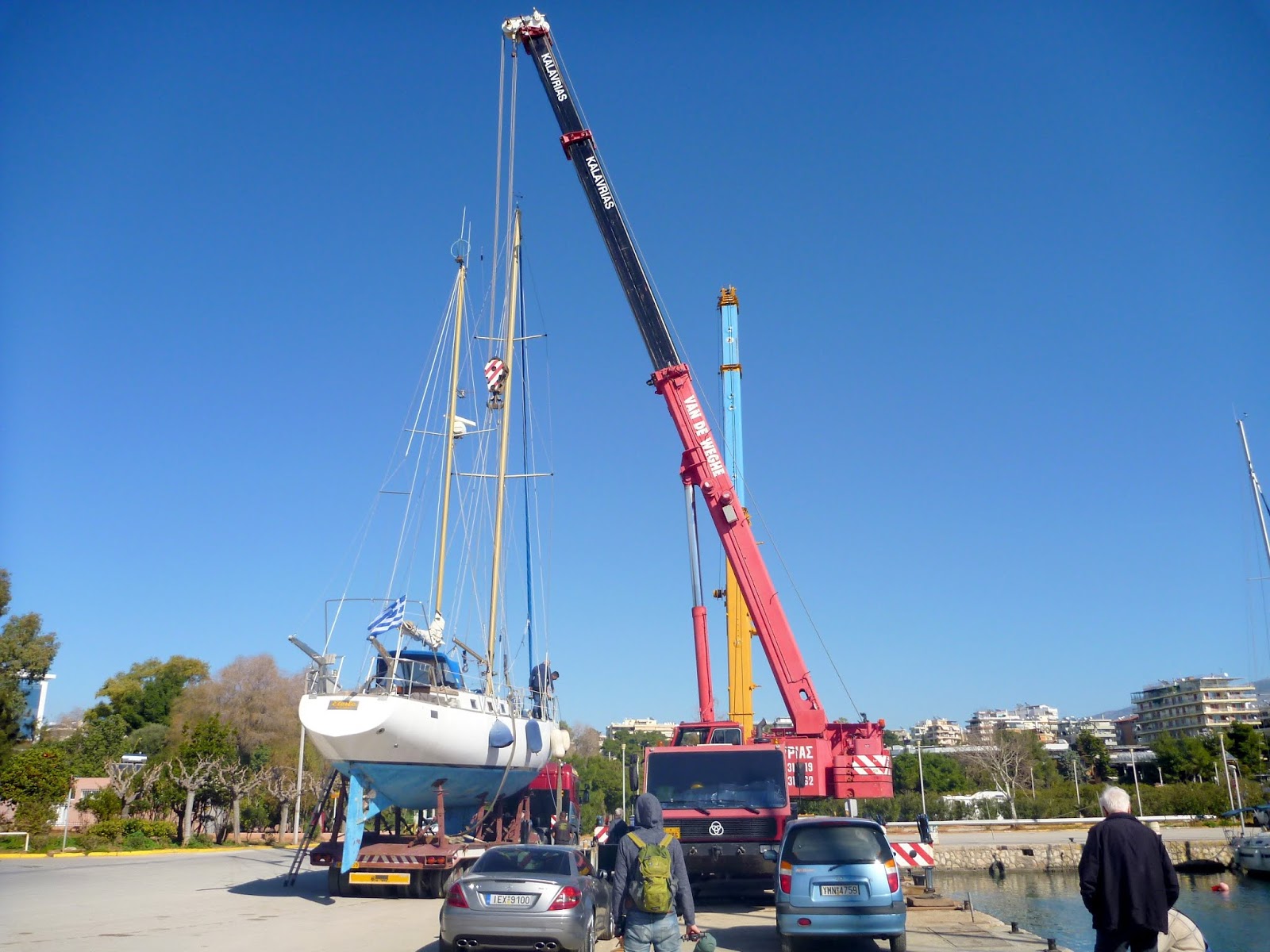
We have reached the area where they launch the boats


so many boats, and when it's windy you get this other-worldly wailing from the masts, it always makes me think of the Banshee. But not today, when the sun is shining, and all is calm.


We have reached Skippers, and have managed to get a seat at the front so that we can have unimpeded views


of the boats


and this galleon. Called Varthalabau, it was constructed in 1980 and is the property of Skippers bar.  The deck consists of three levels. The stern and the bow are located higher than the middle section of the boat which features a gunwale at each side of the deck. The ship is equipped with eight fully operational iron cannons. The boat is equipped with two Diesel engines that allow it to sail. It  has participated in various events and re-enactments.

We have lunch here, and an ouzo and two hours later we walk back home.


Tuesday, 12 February 2019

From Alimos with a Vision


I have written before about the new mayor in Alimos, about the way he is tansforming our neglected suburb into a well-kept, clean area where a sense of community is being developed and where activities for the residents abound.  Since my last post which was less than a year ago, the council deficit has been paid off in full; a large number of our roads are being re-tarmacked; LED street lighting is replacing the old system; a series of seminars on domestic violence has been set up with the aim of raising awareness of the issue and helping those in need. 

He is also into art in a big way: I have just been to the second temporary exhibition of the Alimos Cultural Centre, which is what this post is about. Furthermore, five public sculptures have been purchased and placed in strategic places; 35 works of art have been purchased; the local cinema and theatre are thriving.

It's an exciting time for residents and I, for one, cannot wait to see how things develop further.


From Alimos with a Vision, at Alimos Cultural Centre.


Like the last one, this exhibition comprises works from the 20th century. There is a catalogue that accompanies the exhibition which has been distributed to local schools and various organisations and individuals. The catalogue is also for sale at the gallery for 5 euros and all the proceeds will go to the local children's home. In his introduction the mayor explains that his aim is not only to solve the chronic infrastructural problems that have plagued our area for years, but also to improve the quality of life of its citizens, which includes the promotion of the arts, since culture is not a luxury but a deep intellectual and spiritual need, so that 'our Alimos has a vision of open horizons and culture'.


A group of school children were being guided through the exhibition when we visited.


Kostas Tsoclis, Untitled, 1970 (mixed media on wood)


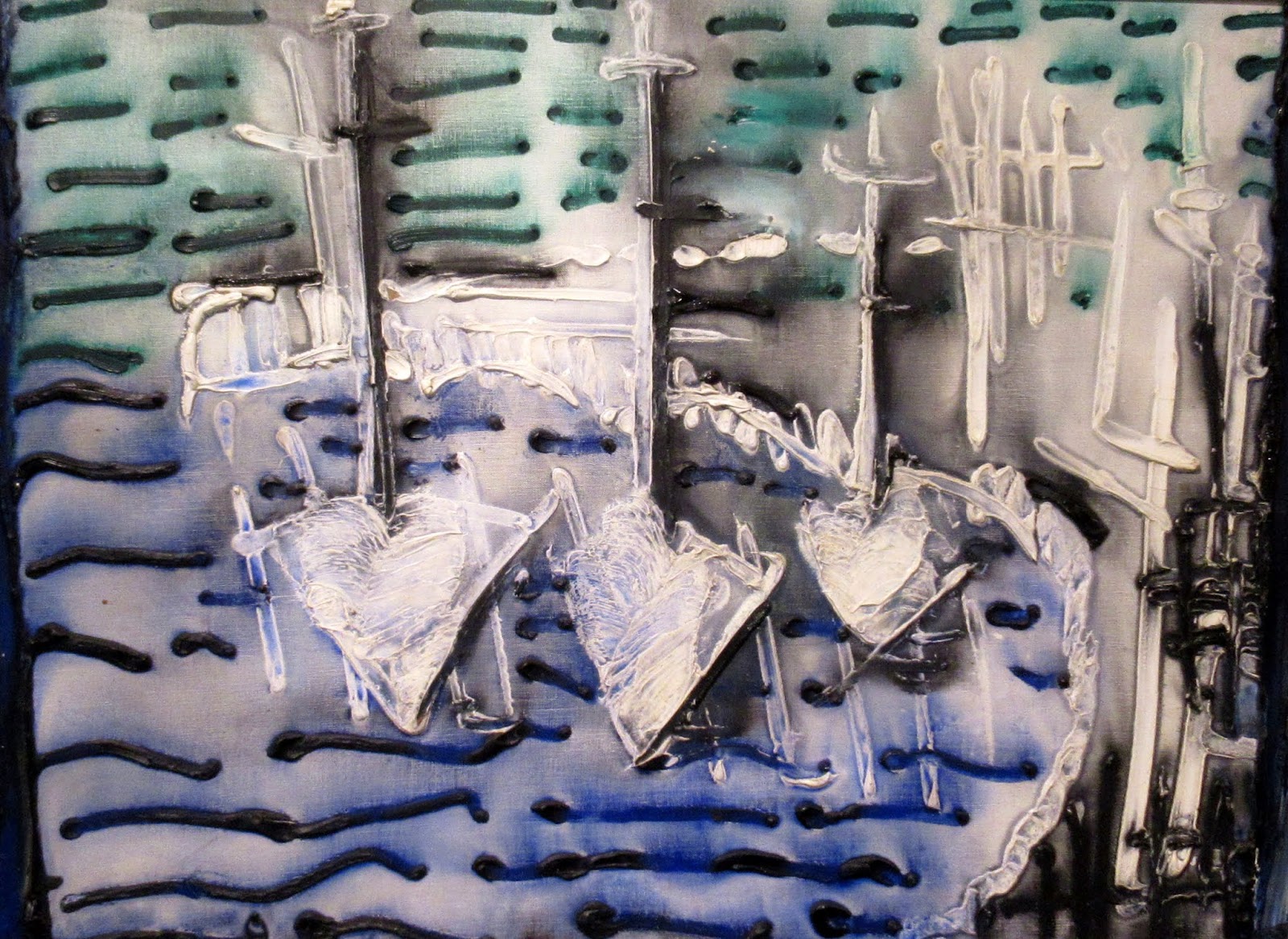
Thanos Tsigkos, Boats, 1950-60


Antonis Malliarakis, Latin Elements, 1970, (oil on canvas)


Spiros Papaloukas, 


Epaminondas Papadopoulos (Nonda)


Diamantis Diamantopoulos, from the series Machines and Sun, (oil on canvas)


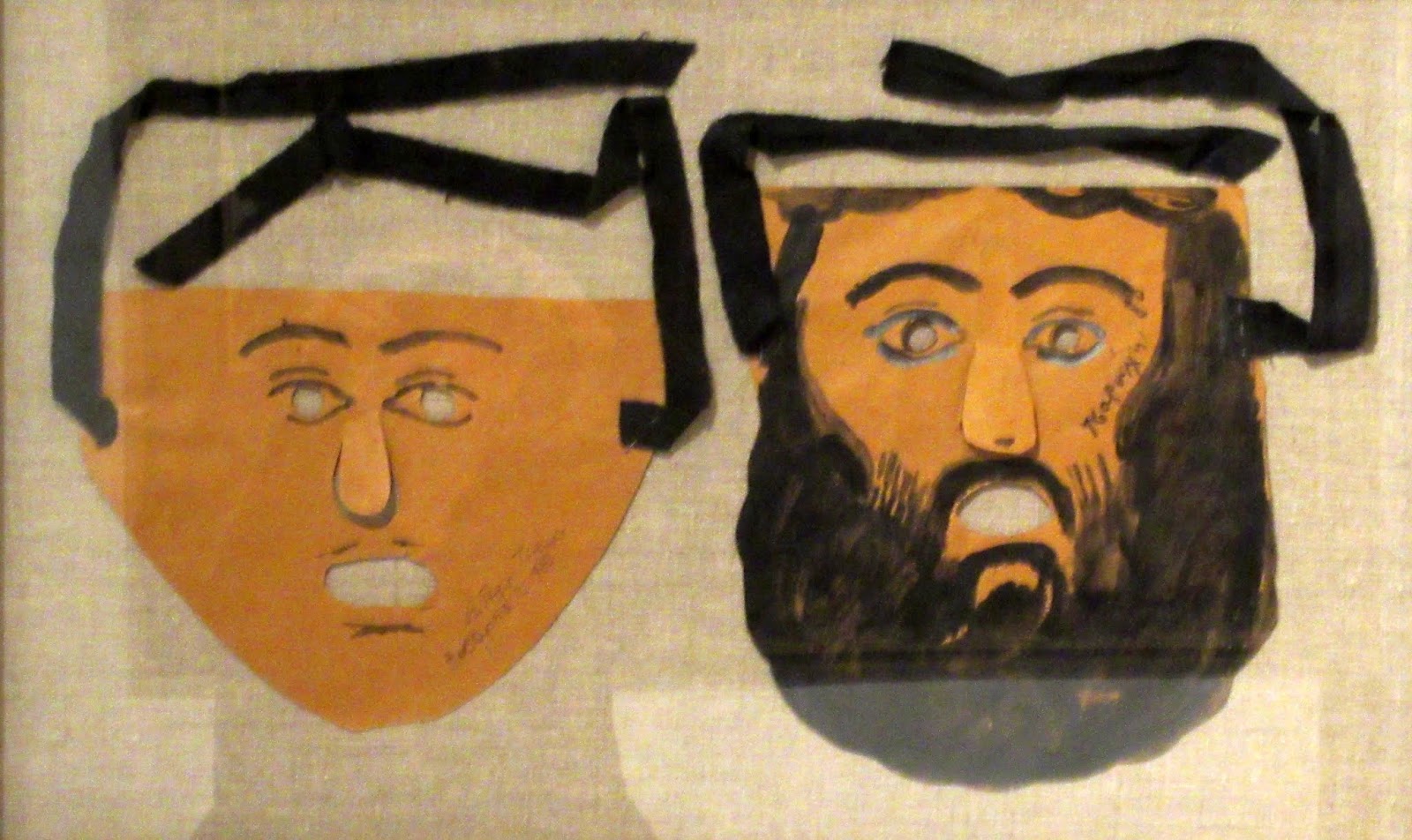
Yannis Tsarouhis, Theatre Masks, 1980, (mixed media)


Giorgos Iakovides


Giorgos Kosmadopoulos, Boats


Giorgos Kosmadopoulos, Mykonos, (oil on canvas)


Perikles Pantazis, Beach, the North Sea, (oil on canvas)


Giorgos Iakovides, Adolescence, (oil on canvas)


Konstantinos Parthenis, Still Life with Japanese Vase, (oil on canvas)


Konstantinos Parthenis, Still Life with Violin, (oil on canvas)


Spiros Vasileiou, Athens, Acropolis, 1971, (acrylic on canvas)


Nikos Hakjikyriakos-Ghikas, The Artist's Studio, 1988, (acrylic on canvas)


Vassilis Marros-Mavratzas, Figures in a Forest


Vassilis Marros-Mavratzas, Abstract Landscape III, (oil on canvas)


Alekos Fasianos, Looking in the Mirror, 1980, (oil on canvas)


Dimitris Mytaras,


Nikos Kessanlis, Phantasmagoria, 1986, (photographic reproduction on canvas)


Yannis Moralis, Erotic, 1980, (oil on canvas)


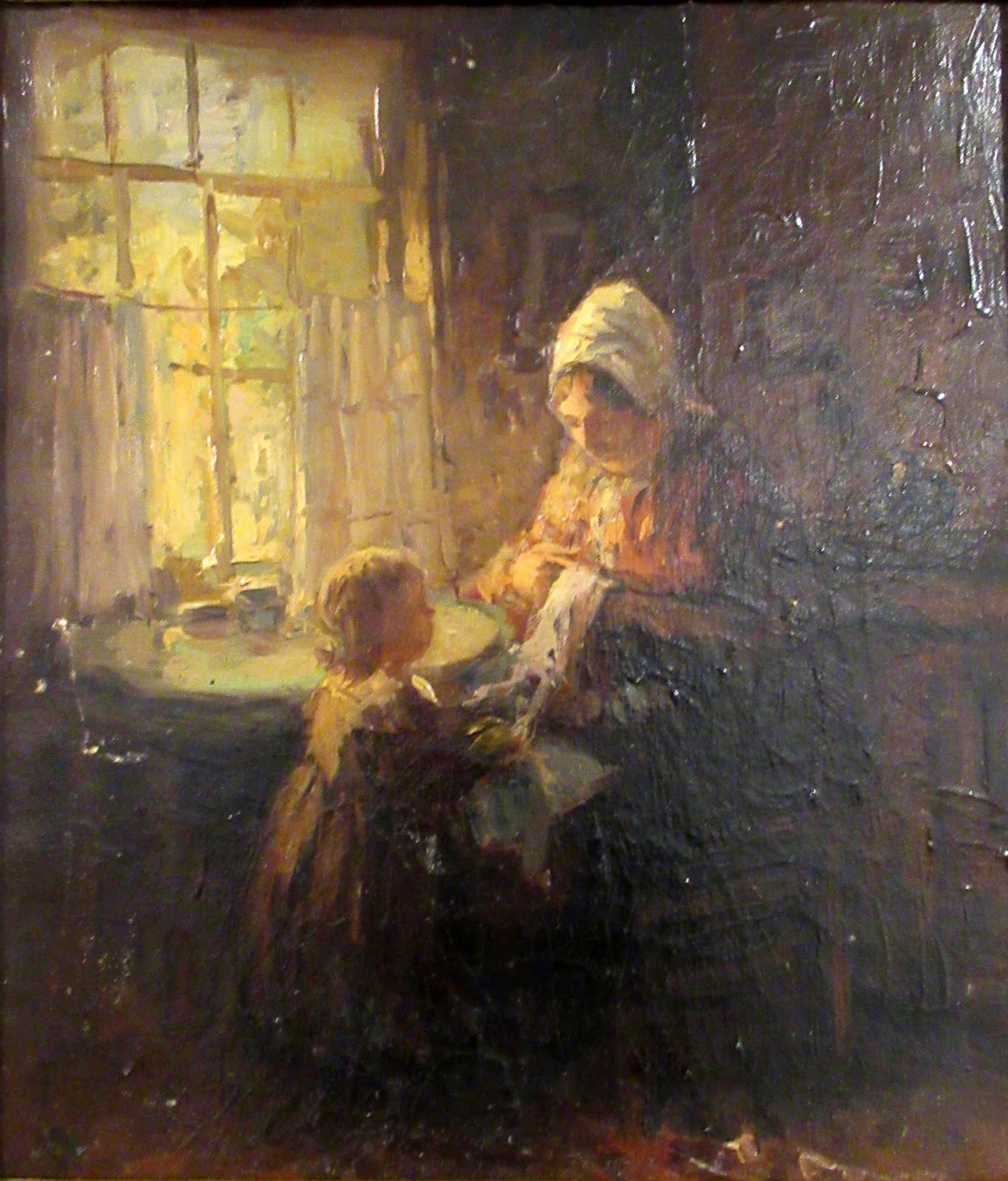
Nikolaos Gyzis, Family Scene, (oil on canvas)


Vlassis Kaniaris, Tribute to the Dead of Marcinelle, 1958, (oil on canvas)


By now, each student was giving a small talk on their favourite painting. It was a pleasure watching them and listening.