Wednesday, 5 December 2018

Whistler and Nature


Whistler and Nature,


at Compton Verney, Warwickshire.

With the exception of the odd oil painting, this is an exhibition of works on paper spanning five decades of Whistler's career. Whistler's smoky images of warehouses, harbours and industrial scenes were designed to showcase a new kind of productive, wealth-generating landscape for the modern Victorian age; a view of nature constrained by human-made structures and urban life.

As Alastair Smart in the Telegraph pointed out, Whistler is perhaps best known for his Nocturnes: hazily evocative, night-time scenes that anticipated abstraction. (Ruskin compared Whistler's selling one of these, 1875's Nocturne in Black and Gold: The Falling Rocket, to 'flinging a pot of paint in the public's face'). A Nocturne canvas is included here, but more germane are the prints of Venice from 1880.

The title of the exhibition is misleading, as the show comprises many works that have nothing to do with nature.


Battersea Reach from Lindsey Houses, 1864-71, (oil on canvas)

By the 1860s, heavy London fogs such as the one shown here were being caused by the effects of coal fires and industrial pollution. Whistler claimed to be the first painter to make London fogs a special subject in its own right; certainly they served to give him the spatial ambivalence he always sought.

The parasols also give the women in the foreground an air of japonisme so fashionable in the 1860s - their dresses could almost be mistaken for kimonos.


The Pool, 1859, (etching)


The Balcony, 1880, (etching and drypoint)


Nocturne, 1875-77, (oil on canvas)

Whistler explained his use of the term 'Nocturne' (which normally denotes a musical composition played in the evening or evocative of night) by declaring that 'I wished to indicate an artistic interest alone, divesting the picture of any outside anecdotal interest which might have been otherwise attached to it. A nocturne is an arrangement of line form and colour first. The picture is throughout a problem that I attempted to solve. I made use of any means, any incident or object in nature that will bring about this symmetrical result'.

This evocative view, showing two barges in sail in the centre of the river, may have been composed from an upstairs window of Whistler's house at Lindsey Row, overlooking the newly-built Chelsea Embankment.


Nocturne: Palaces, 1880, (etching and drypoint)


Upright Venice, 1879-80, (etching and drypoint)


Nocturne: Furnace, 1880, (etching and drypoint)


The Traghetto, No. 2, 1880, (etching and drypoint)


Black Lion Wharf, 1859, (etching)


Thames Warehouses, 1859 (etching)


Two Breton Women Knitting, 1893, (watercolour on paper)

Whistler's use of areas of dampened paper combined with delicate brushwork is characteristic of his watercolour work of this period.


Grey and Silver - North Sea, 1884, (watercolour on paper)


Sketch for The Balcony, 1867-70, (oil on panel)

This was derived from two woodcuts by Torii Kiyonaga; indeed, the rolled bamboo blinds and the suggestion of oriental costume give the picture a distinct air of japonisme. Whistler worked on the composition for a long time intending to enlarge it to send to the Paris Salon exhibition. Yet he never seemed satisfied with it. The Japanese-looking blossoms in the foreground were a late addition.


Off the Dutch Coast, 1883-4, (watercolour on paper)


Beach Scene with a Breakwater, 1899, (watercolour on paper)


Grey and Pearl: Bank Holiday Banners, 1883-4, (watercolour on paper)


Blue and Brown: Westgate-on-Sea, 1883-4, (watercolour on paper)


Harmony in Blue and Silver: Trouville, 1865, (oil on canvas)


Monday, 3 December 2018

Compton Verney


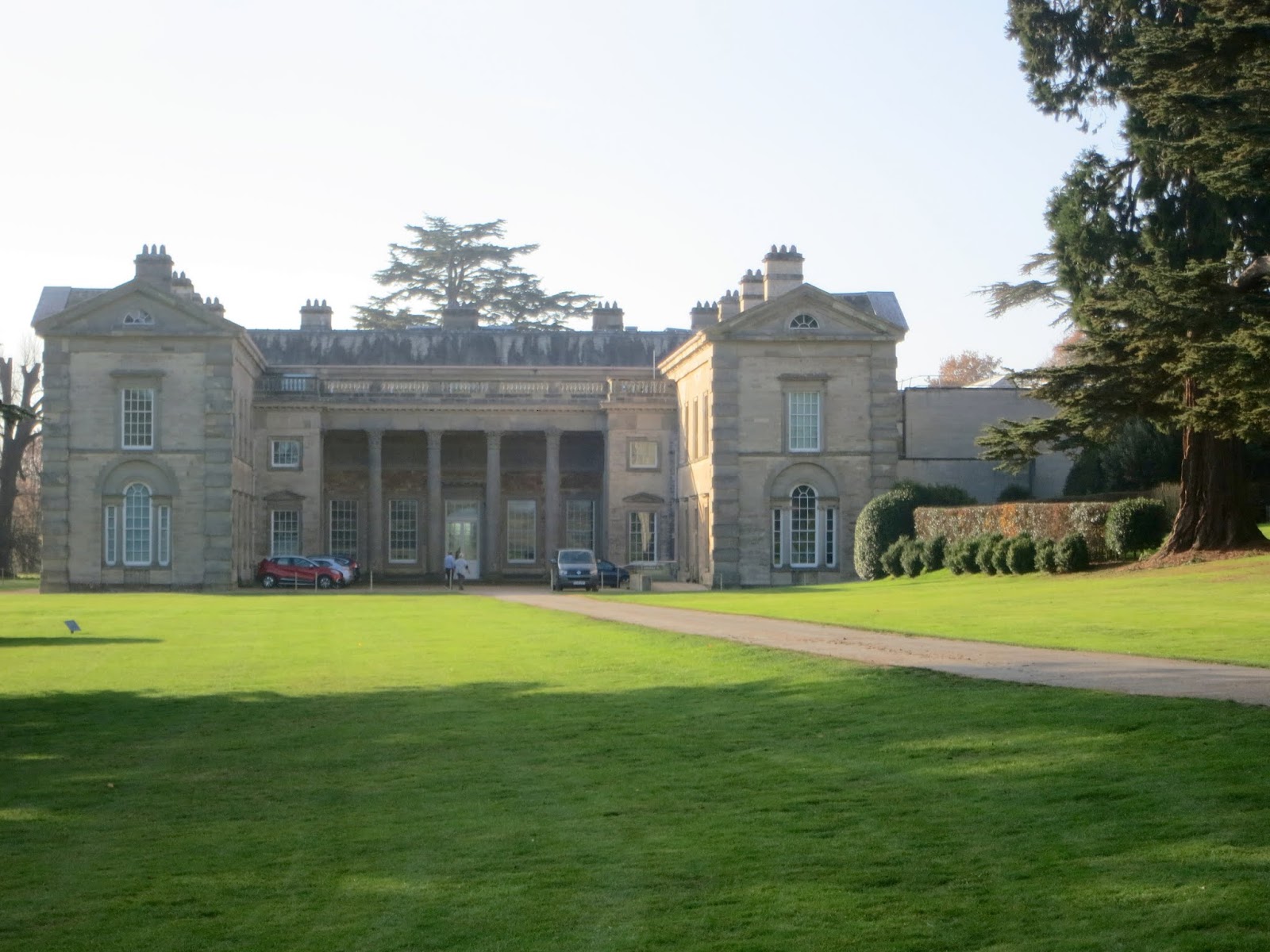
The 18th century country mansion has been converted to house the Compton Verney Art Gallery.


In 1769, landscape architect Lancelot Capability Brown was employed to lay out the grounds in keeping with the new taste for more naturalistic landscape. He eliminated all trace of the earlier formal gardens, including the canal and the avenues running east to west. These were replaced with grassland and trees, with the planting of cedars and over 2,200 oak and ash saplings.


Although it looks natural, the lake was created from a chain of five separate ponds. Brown designed the lake to look like a river that, like the park itself, appeared to continue indefinitely.


The Upper Bridge


The walk from reception to the house is a pleasant one,


affording great views of the house across the lake


On our way we came across The Clearing,

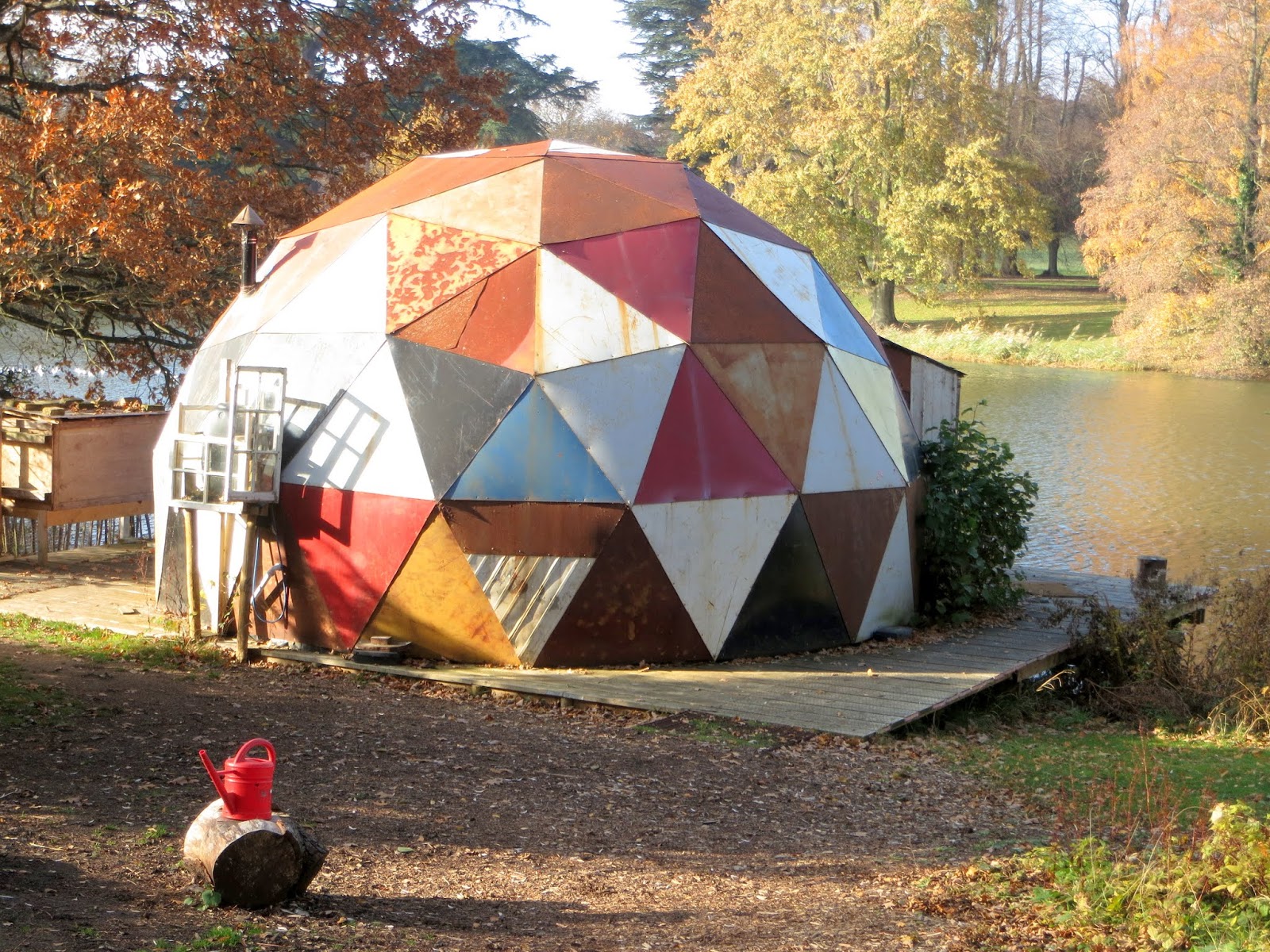
an art installation by Alex Hartley and Tom James, who set out to build a vision of the future in the grounds. Commissioned as a modern 'eyecatcher', a contemporary version of the kind of folly that Capability Brown would have built, the geodesic dome is made from scrap materials.


We reached the path that would take us over the Upper Bridge


which afforded views of the Old Town Meadow


there are four Sphinx positioned at either end of the bridge.


another view from the bridge


We then started walking towards the house


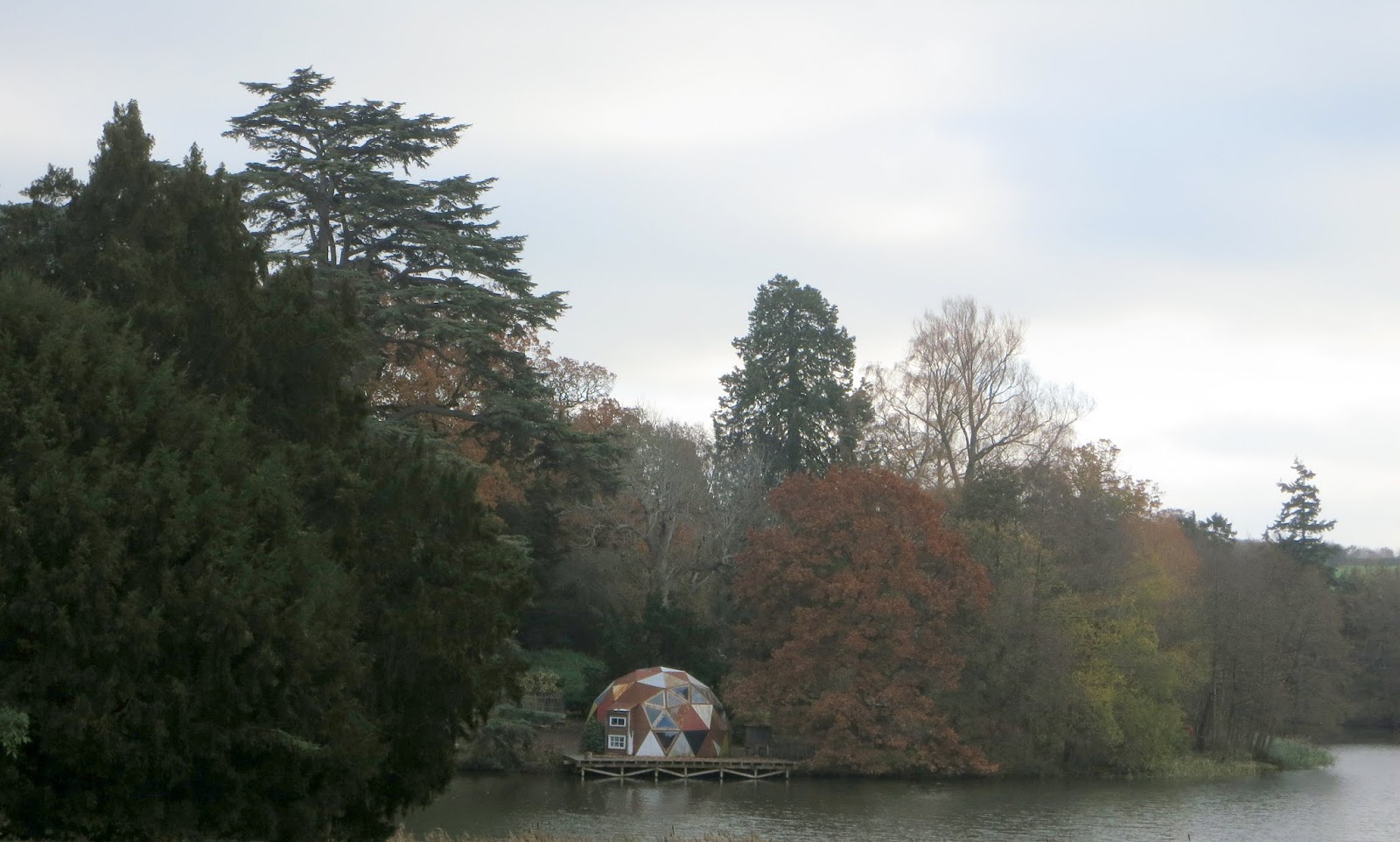
We could see The Clearing from here


We walked around the house and came upon these gigantic deckchairs


Ken looks tiny sitting in one of them


The steps that lead to the chapel


The chapel was built in 1775-9 by Capability Brown. It is a plain, Palladian-style Chapel. It was designed to look like a classical temple, in keeping with Brown's idealised landscape. Brown demolished a medieval chapel by the lake in 1772, probably to improve his newly-created sight-lines across the lake, and brought many of the old chapel's monuments to the new chapel including the double tomb, the large memorials and all the floor brasses.


The chapel's foundations of oolite limestone (egg stone) were sourced locally but the rest of the walls are Gloucester sandstone.


The interior is dominated by the tomb of Richard and Margaret Verney, carved by sculptor-architect Nicholas Stone. Brown deliberately put the tomb centre stage, and appears to have almost built the chapel around it. Much of the wall decoration is made of papier-mache that was added during the 1930s.


Unfortunately, in 1929 most of the old chapel's English heraldic glass was removed by the then owner and sold at auction. The Chancellor of the Diocese was petitioned to intervene to stop the sale but he concluded that Lord Manton was within his legal rights. Today some of the glass can be found locally at Warwick Museum and further afield at the Burrell Collection in Glasgow. The remainder is believed to be in the USA.


A last view of the chapel and we moved on


down the steps, and we had come full circle


to the front of the house where we stopped to have a look at this Boulder by John Frankland


view of the bridge


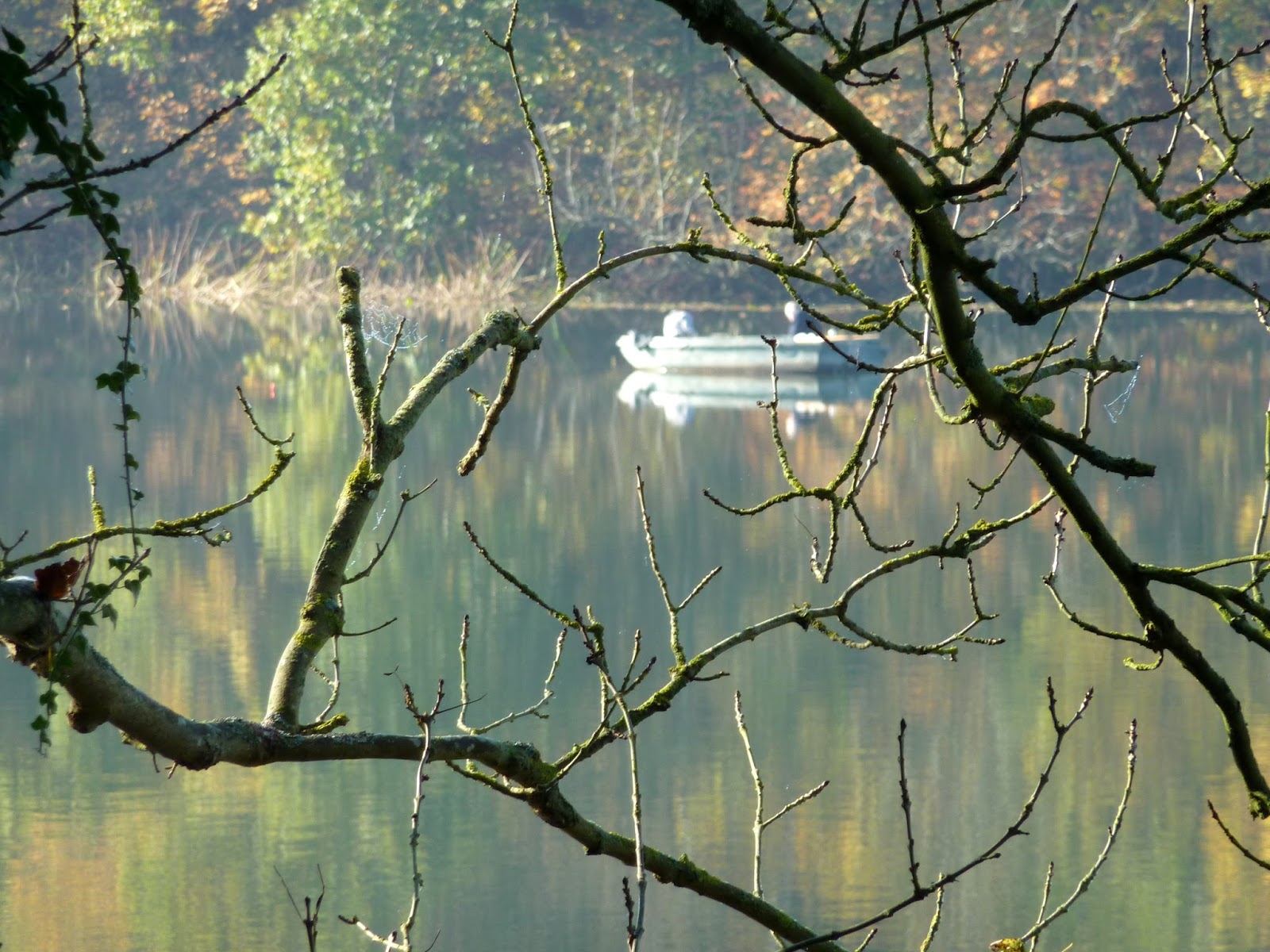
a last look at the lake


and then we reached the Ice House


which was built in 1772 by Capability Brown during the extensive re-modelling. An ice house was a 'must have' accessory of the day amongst leading gentry, with growing demand for refrigerated food, sorbets and ice creams. Ice was cut in blocks from the lake during the winter and dragged up to the Ice House. A drain at the bottom allowed water from the melted ice to escape. The structure was built mainly underground where the temperature is more consistently cool.


It was open


looking down, we could see that the storage area is huge


This is one of the nicest ice houses I have seen


The back is a perfectly formed thatched cone


Behind the Ice House is this coppice. Brown planted trees and shrubs to screen the mansion, wanting to offer visitors an unexpected vista at particular points when the house could be seen at its best.