Saturday, 2 July 2022

Belem - the Monastery


Mosteiro dos Jeronimos is the one building that symbolises the Golden Age of the Portuguese discoveries. Now a designated UNESCO World Heritage Site, the monastery and its adjacent church were built to fulfil a promise that Portugal's king Dom Manuel made, should Vasco da Gama return safely from his inaugural voyage to India in 1498. Construction began in 1502 under the architect Diogo de Boitaca.

In 2007, the monastery was once again influential in blessing future trade: the Treaty of Lisbon was signed here to cement the format of the European Union.


The queue at the entrance was long and slow


The church entrance is elaborately carved


The fantastically embellished entrance to the church. Crowned by an elaborate medley of statues, including that of the famed Henry the Navigator, the 32-metre-high entrance was designed by the Spaniard Joao de Castilho, who took over the building of the church in 1517. The interior is even more dazzling, displaying the maritime influences typical of Manueline architecture - thee escrutcheons on its ceiling come from the actual ships that sailed the voyages of exploration. 
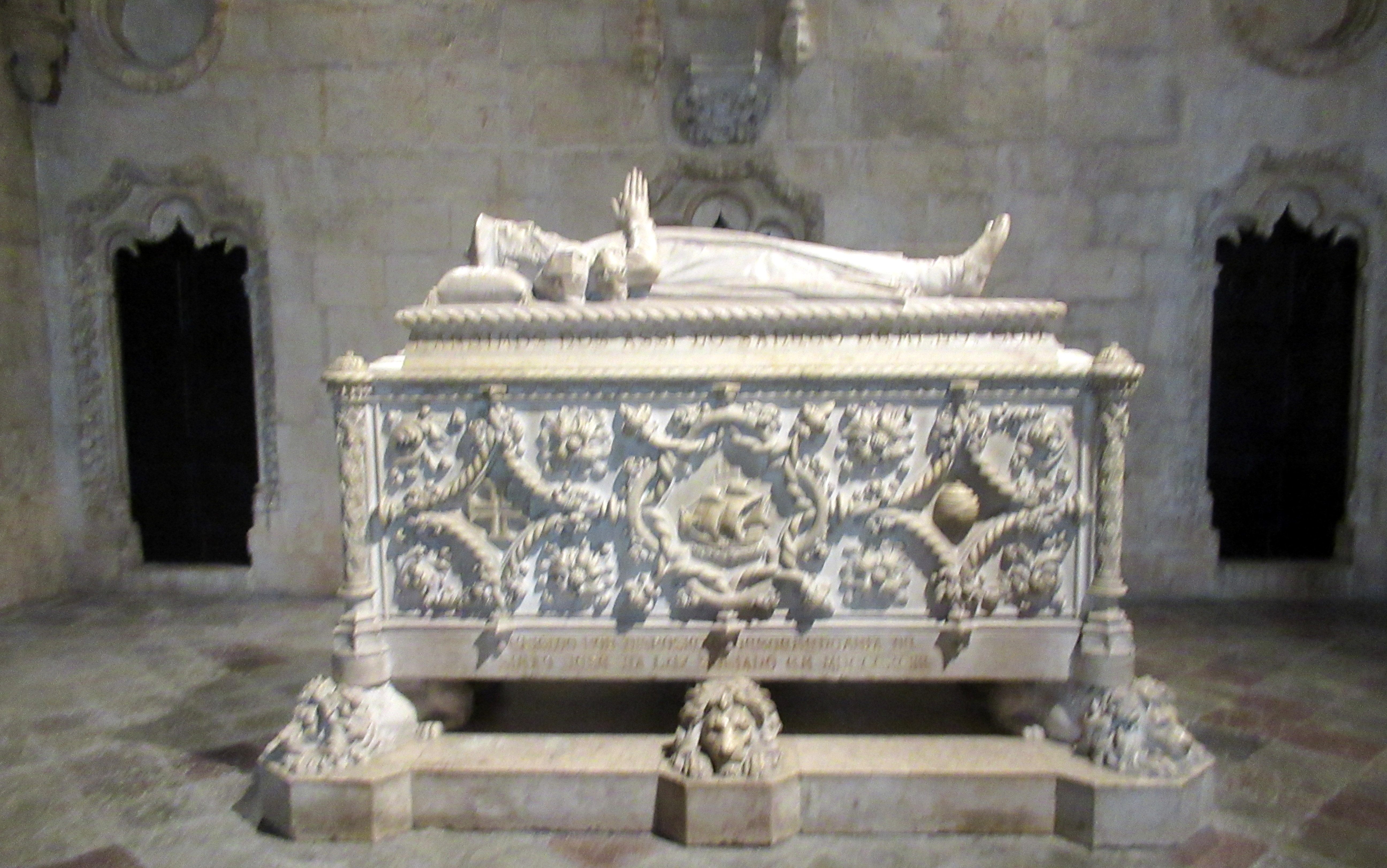


Appropriately, Vasco da Gama's tomb now lies just inside 


as does the tomb of Luis de Camoes, considered Portugal's greatest poet and recorder of the discoveries, 


alongside the tombs of a number of former presidents and dignitaries.


The queue for the monastery was even longer.


Gathered round sumptuously vaulted cloisters with nautical symbols carved into the honey-coloured limestone, the monastery is impressive. You can still see the twelve niches where navigators stopped for confessionals before their voyages until the Hieronymite monks were forced out during the dissolution of 1833.




The tomb of Fernando Pessoa, is here too. You can read more about him here

Friday, 1 July 2022

Belem - Lisbon

Out of the ten days we spent in Lisbon, three were spent in Belem,  mainly because the art. The Berardo Collection at the Centro Cultural de Belem is outstanding as were the temporary exhibitions. But, there's so much more: the monastery was worth a visit, and the Jardim do Ultramar is one of the nicest parks I have visited - this warranted two visits. And, of course, there is MAAT with its sumptuous modern building.

With its maritime history and attractive riverside location, Belem is one of Lisbon's most popular suburbs. It was from Belem that Vasco da Gama set sail for India in 1497. The monastery subsequently built here stands as a testament to his triumphant discovery of a sea route to the Orient, which initiated the beginning of a Portuguese golden age. 


We visited the monastery during our first visit (post to follow).


During our second visit most of this part of the town was closed off because the president of Luxemburg was visiting


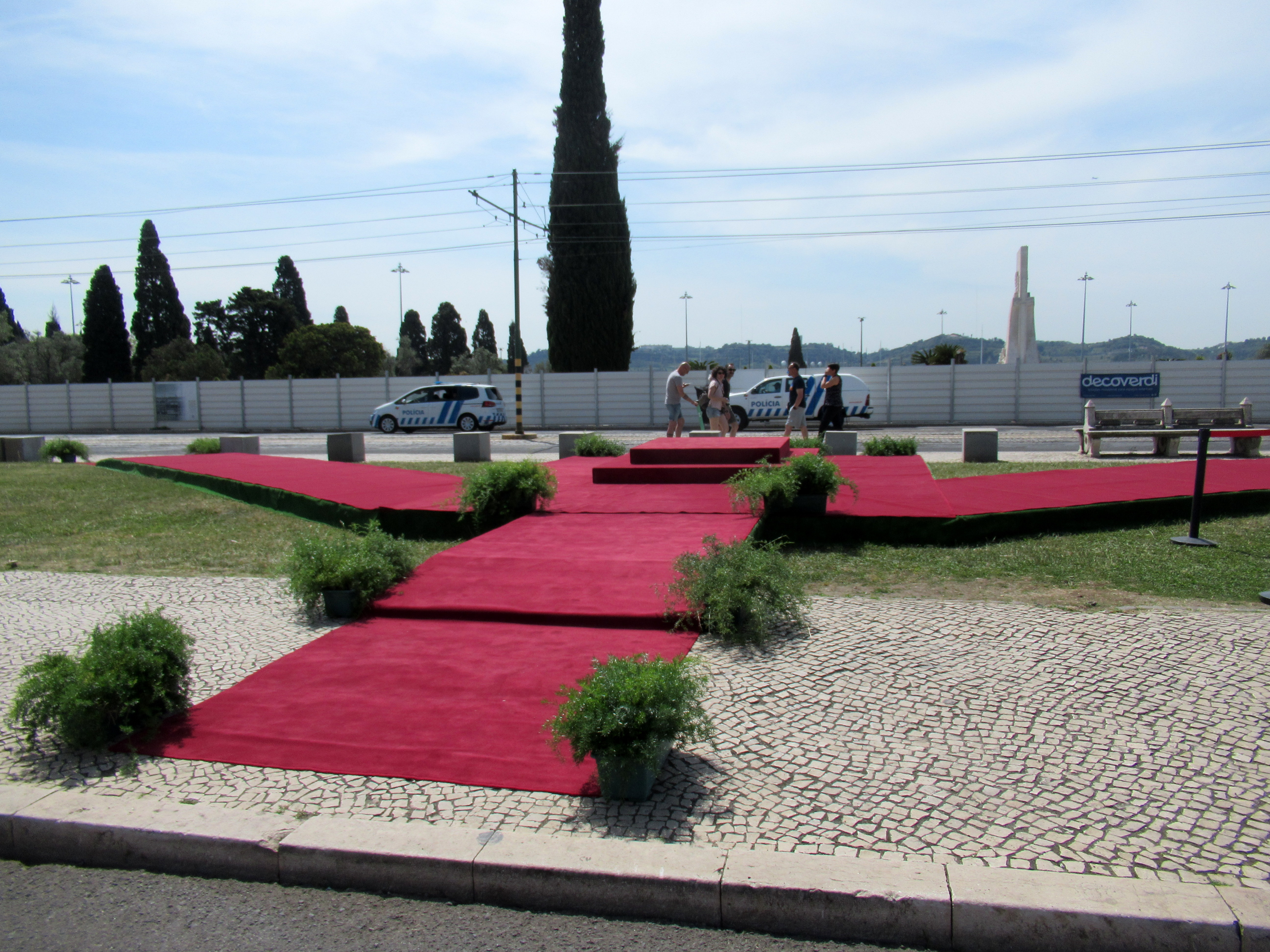
which involved red carpets


speeches, (fortunately most of the fanfare was over when we arrived, and this is just a tourist messing about)


and military parades.


The small park across the road from the monastery is very pleasant


and we spent a few relaxed minutes here.


This pavilion was a gift from the Thai government on the occasion of the 500th anniversary of the establishment of the bilateral relations between Thailand and Portugal.


The Centro Cultural de Belem is near this park


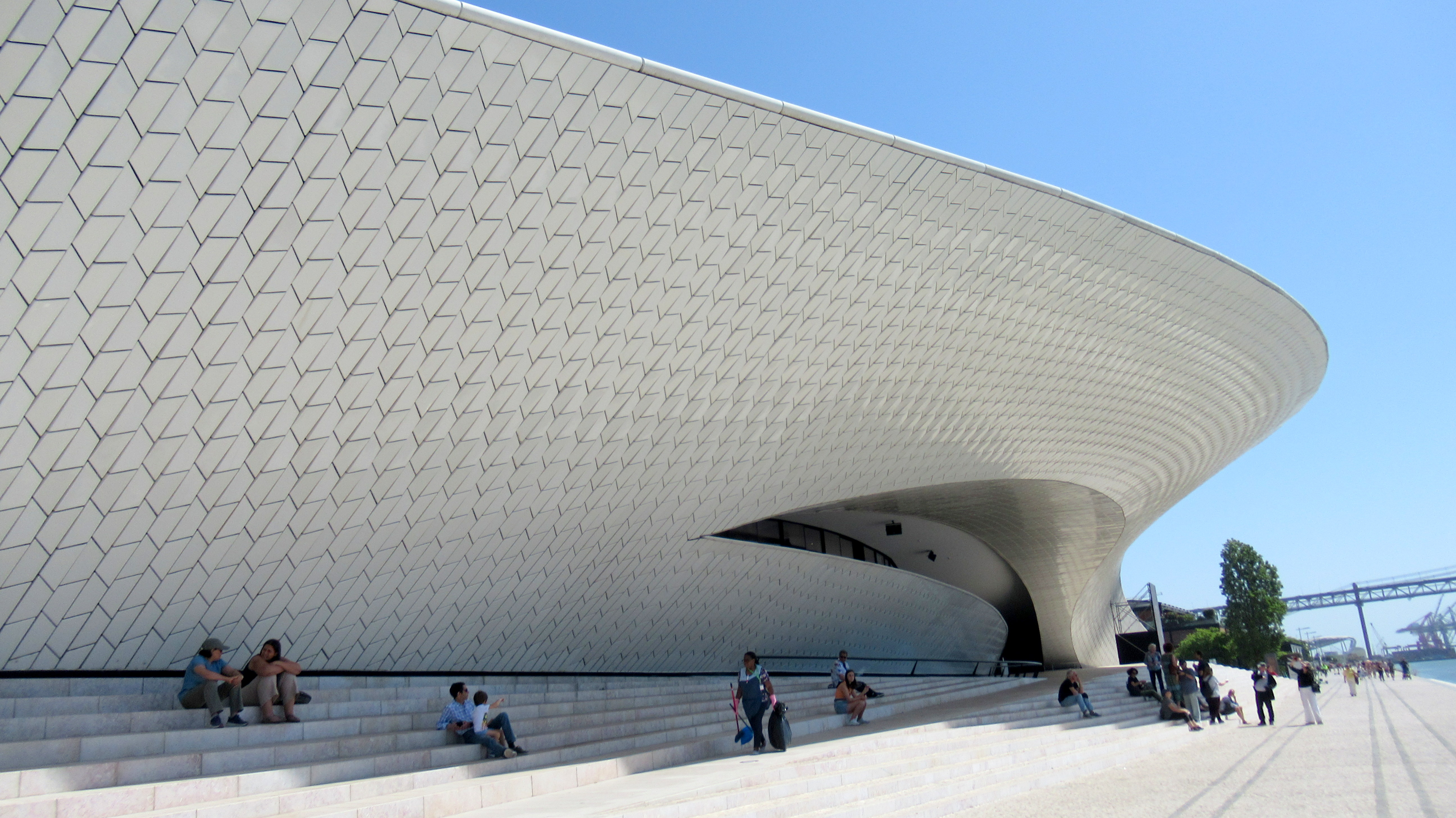
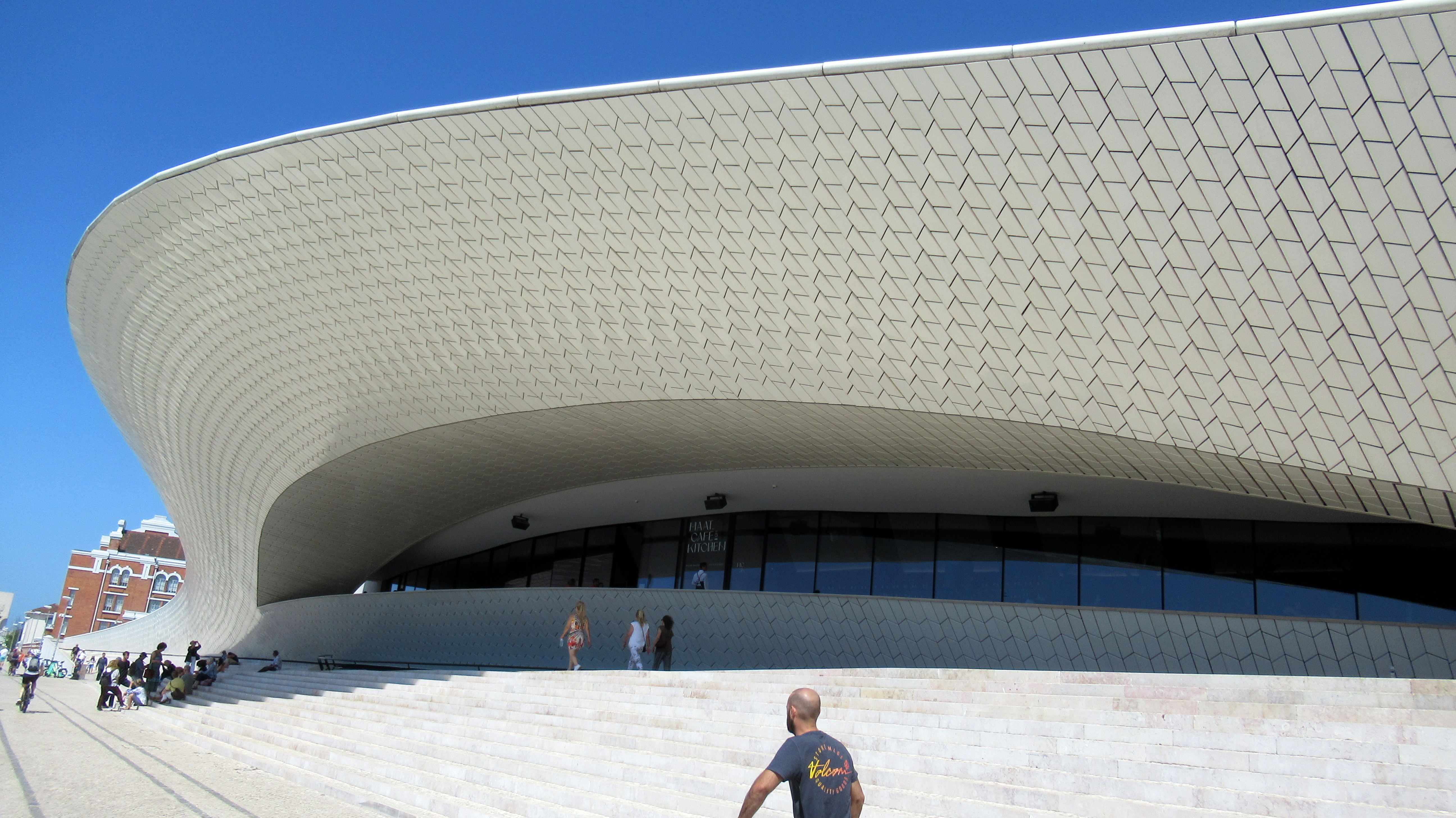
While MAAT, is by the riverfront on the other side of the park. MAAT consists of two buildings: an early 20th century power station which has now been converted to a museum


and the fabulous, stunning modern building designed by British architect Amanda Levete.


Wow!


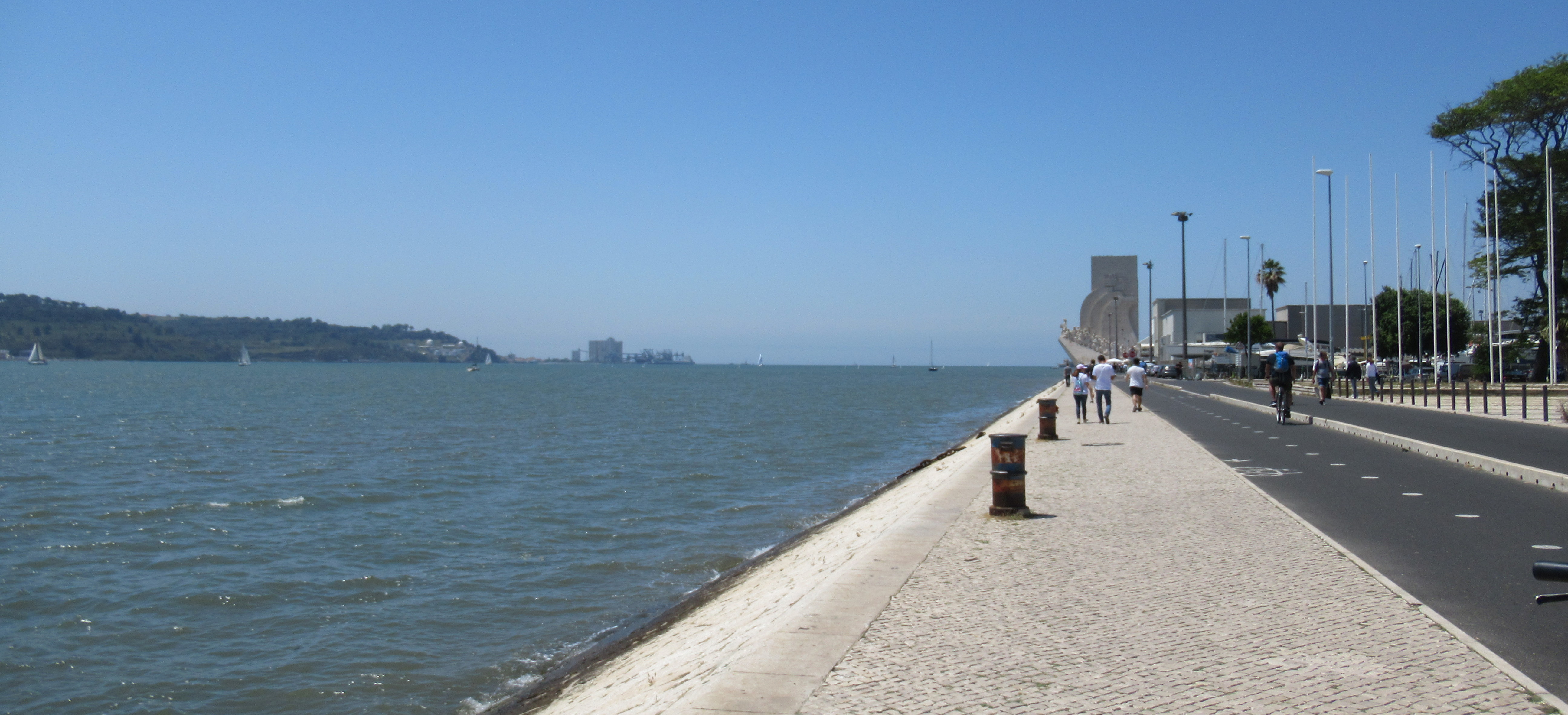
The riverside walk is very pleasant - I took these photographs while we were walking from MAAT to the Tower of Belem


The river was quite choppy that day


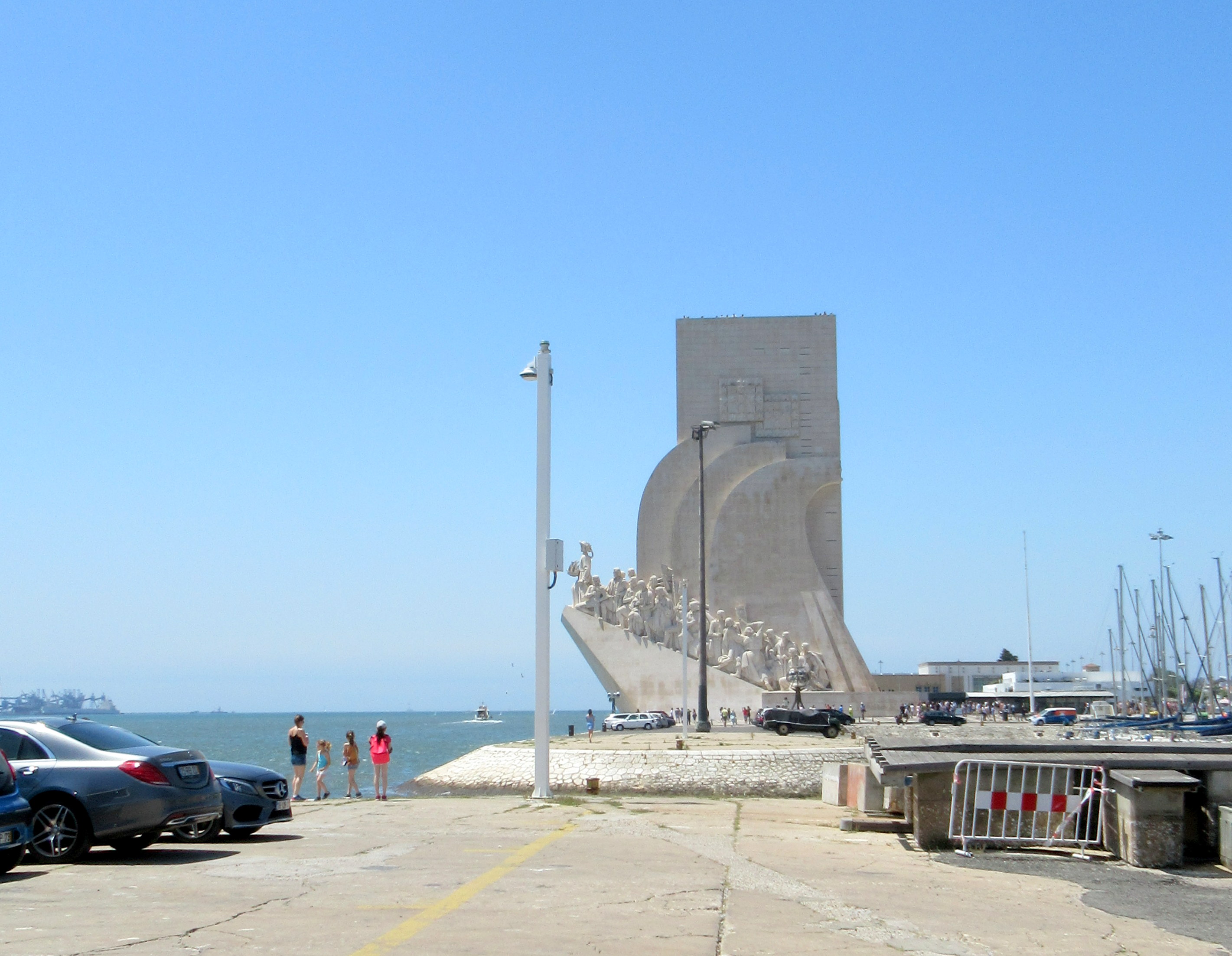
Padrao dos Descobrimentos, the Monument to the Discoveries. It's a 54m high carvel-shaped slab of concrete erected in 1960 to commemorate the 500th anniversary of the death of Henry the Navigator.
Just in front of the monument the marble pavement is decorated with a map of the world charting the routes taken by the great Portuguese explorers.


A large and detailed statue of Henry appears at the head of a line of statues that feature King Alfonso V, Luis de Camoes, Vasco da Gama and other Portuguese heroes. 


More statues are carved on the other side


We continued on our way


There are lots of places to sit here


The museum of basket weaving


The old lighthouse


A hotel and spa with a bar/restaurant


interesting shutters on the windows


a marina


We could now see Torre de Belem in the distance


another park.


We could see the Tower at the end of the park


an old plane in the park


The Tower,


and by it, a pleasant-looking beach.

We visited the Tower and then, because the bus or tram that would take us back to Lisbon was always extremely crowded, we decided 


to take a tuk tuk. This is our driver.


It was an extremely bumpy ride back to Lisbon, and we were glad that there were seat belts. Highly enjoyable though, and memorable.