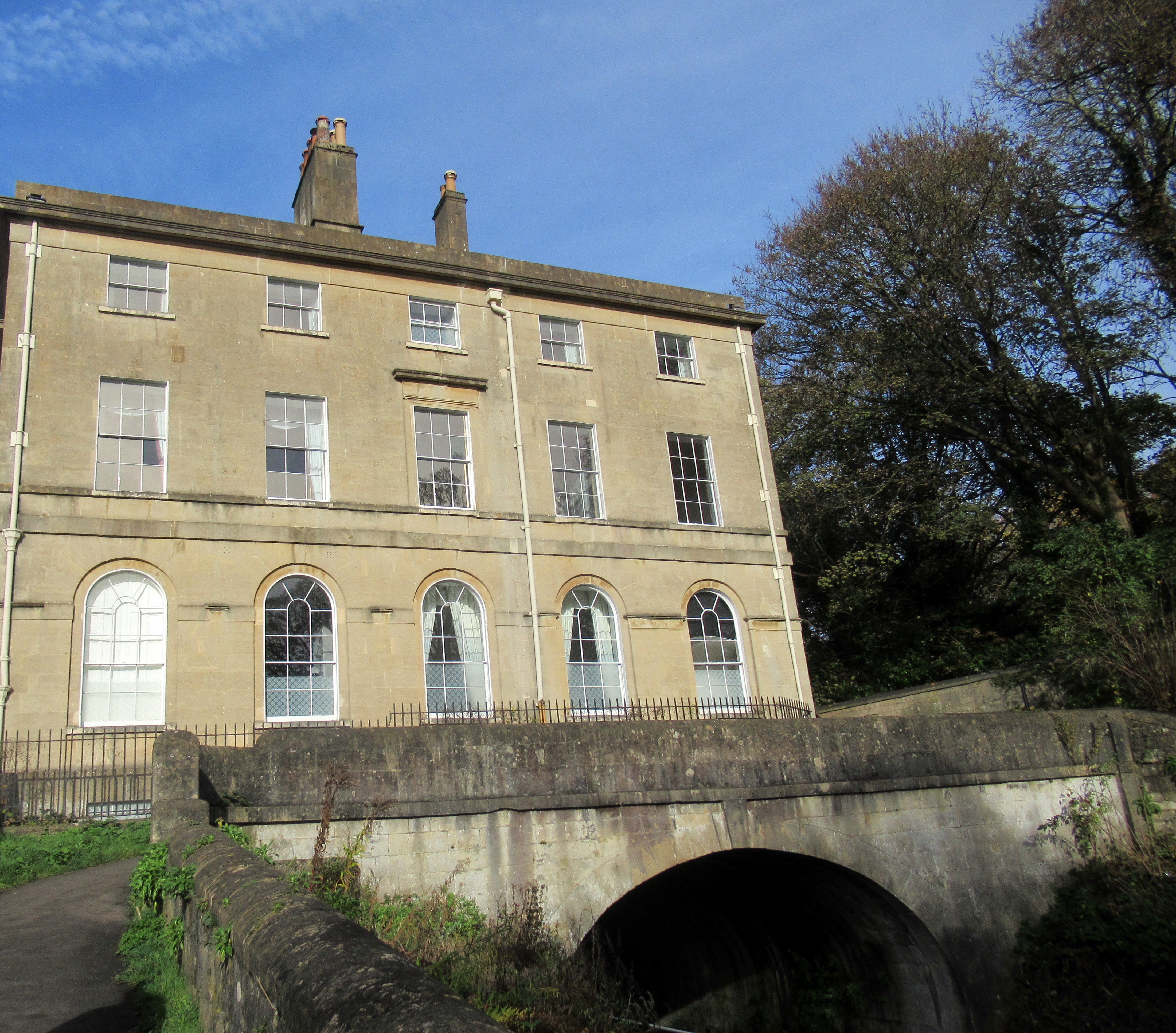
Burman is a Punjabi-British artist whose work explores cultural identity and the experiences and aesthetics of Asian femininity. Over the last 40 years her practice has encompassed printmaking, drawing, painting, installation and film to explore the intersection of feminism, race and representation, placing alternative perspectives of Britishness within art history.


looking closer

Mint, 2024, (inkjet print)

Rage and Treats, 2006-8, (mixed media)


The Other Side of Paradise, 2024, (collage and mixed media on paper)

looking closer

looking closer


looking closer

Parvati, Hindu Goddess, 2022, (inkjet print embellished with faux gems, bindis and stickers)

Kaleidoscopic Self-Portrait Doing Shotokan, 2023, (embelished collage)

Tiger, My Jaan, 2021

The exhibition consists of prints, drawings, paintings, collage, sculpture, film, and installation. Burman explores these media to draw out recurring themes that are ongoing preoccupations in her work including her Hindu Punjabi heritage and upbringing in Liverpool, feminism, activism and the relationship between high art and popular culture.
The first part of the exhibition which will be covered in this post explores printmaking. Burman often combines multiple processes in single works and brings together a wide range of imagery and textual elements from sources including magazines, family photographs, posters, comic strips, advertisements, protest flyers and badges, She uses this material to create complex and meticulously planned compositions.
As you can see in the picture above, Burman has embellished the entrance of Compton Verney with her art, covering the temple-like neoclassical facade in neon sculptures of Hindu gods and goddesses.

My friend, 2023, (fibreglass, mixed media)


Burman spent countless hours working in her father's ice cream van. She has adopted her father's trademark tiger as a mascot - both the technicolour treats sold in the van and the tiger have become recurring motifs in her work.

Burman's art has been described as 'beguiling surface with a hidden sting', her vivid colours and visually appealing imagery are often used to convey hard-hitting messages. In this work, imagery of Indian warrior queen Jhansi ki Rani going into battle is juxtaposed with an oversized ice lolly, which looms over her. Burman sometimes uses the ice lolly as a metaphor for the objectification of women - their phallic shapes are used to comment on the ways in which women are reduced to objects of desire.

Let's Take You Higher, 2022, (inkjet print, faux gems and rhinestones on paper)

Here, Burman has juxtaposed imagery of a Hindu deity with a detail from the work Shipboard Girl by Roy Lichtenstein, which has been covered with embellishments.

Electric Joy Aka Indian Cinderalla, 2023, (24 thermoplastic monotypes)

Here, images of the artist's drawings and collages were screen printed onto plastic sheets, which were then moulded around three-dimensional objects including toy ice cream vans, sweet packaging and animals in a vacuum to form a plastic shell. An exploration of consumer culture: vacuum formers are used to mass produce a range of products.


The Smile you Send Returns to You, 2024, (steel, LED lights, plastic embellishments, graphic vinyls, fibreglass, carbochon stones and sound system)


This year Burman was one of seven artists shortlisted for the Fourth Plinth commission in Trafalgar Square. This maquette for her proposed sculpture tells of her father's voyage to the UK from India on board MS Batory. It presents a turbo-charged reimagining of his ice cream van complete with her signature motifs including embellished tigers and sweet treats. In the windows, we see Bollywood film stills and the figure of Burman's father. The title could be interpreted as a call for kindness amid a fractious world.


Embelished Works, 2022-24, (stickers, bindis, faux gems, glitter, letter transfers and pen on paer)
These works highlight Burman's delight in materials that would usually be considered disposable - in her hands inexpensive adornments are transformed into glittering works of art.
These works are also inspired by her ongoing exploration of the visual culture of Asian femininity. 'The feminism I have long assumed as a matter of course is now rubbing shoulders with the playful feminity associated with trinkets, baubles, tinsel, sequins....henna patterns and bindis'. Many of these works originagted as line drawings of female figures, which have then been covered in embellishments to create 'ironic ex-votos to woman-as-image revelling in [the]specious glitter of kitsch as a perverse element of female embellishment and empowerment'.


Bindi Girl Doing a Poo, 2022, (stickers, bindis, faux gems, glitter, letter transfers and pen on canvas)


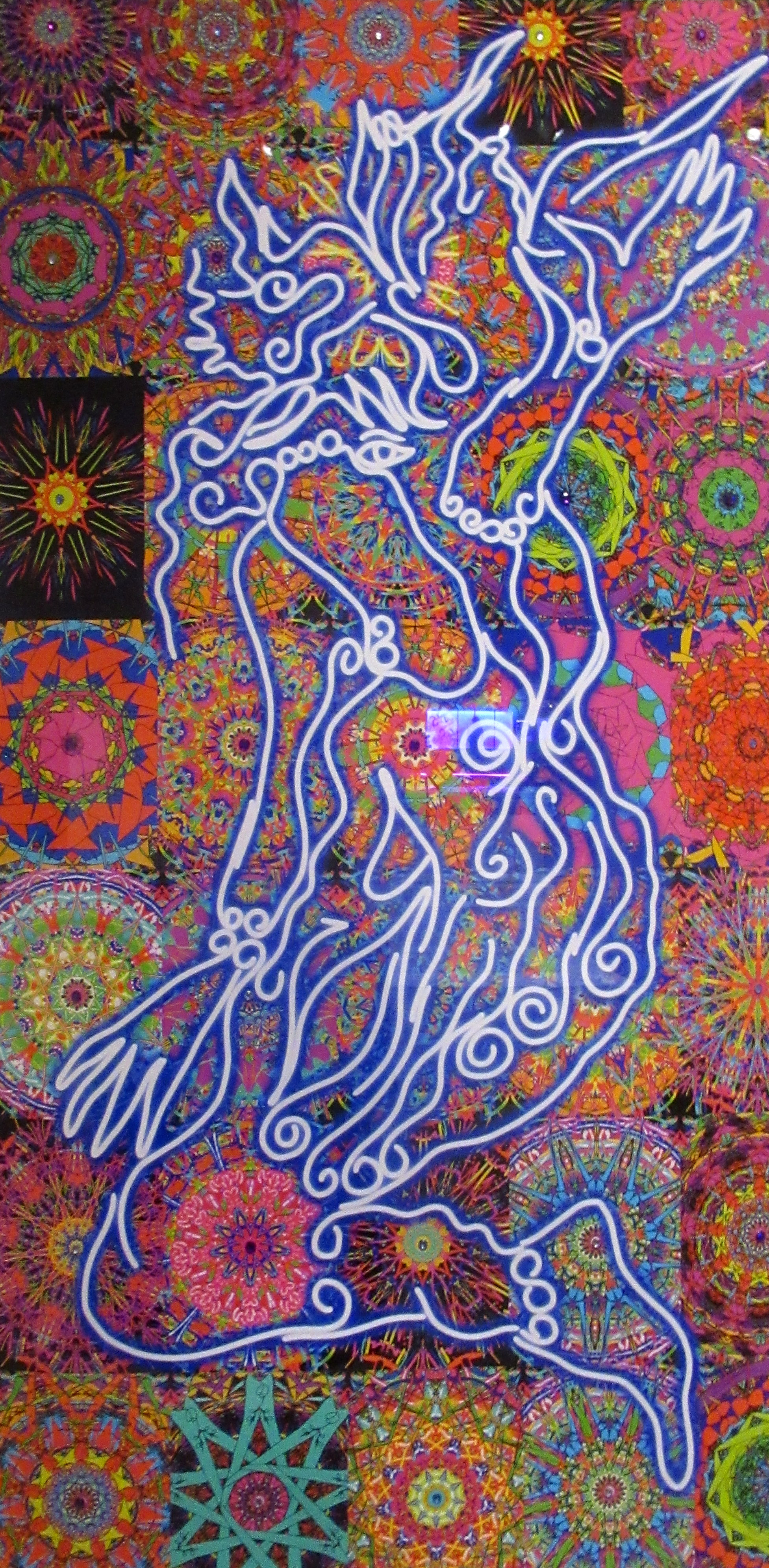
Kaleidoscopic Self-Portrait Doing Shotokan, 2023, (embelished collage)
The surface of this work is richly embellished with sequins, faux jewels and bindis. In the centre, Burman has included an image of herself performing a high kick from the Shotokan form of karate. Outlined in electric blue, the figure conveys a sense of energy similar to Burman's neon sculptures (see next post) whilst projecting an image of power.